
Why Retirement Is So Hard (And How to Actually Enjoy It)

It seems so counterintuitive that retirement is hard. You spent so many years working your tail off to finally get to retirement and be able to sit back and relax. But life always finds a way to throw you a stress-induced curveball.
Taking that step is HARD for so many -- their identity is tied up in what they do for work. Think about it, whenever someone asks you to tell them who you are, I'm going to take a guess that you tell them your job position, maybe the company you work for, probably both. I'm also going to guess you aren't starting off with your hobbies or future plans.
It is hard to let go of that structure. This is coming from someone who has to have a week's notice for anything because I have to plan my week down to the minute. But work also comes with a sense of purpose and a great way to foster social connections. Take my friend Jim. Jim is 64 and has more than enough saved to retire, but he just told his wife "one more year."
"One More Year. And Another. And Another."
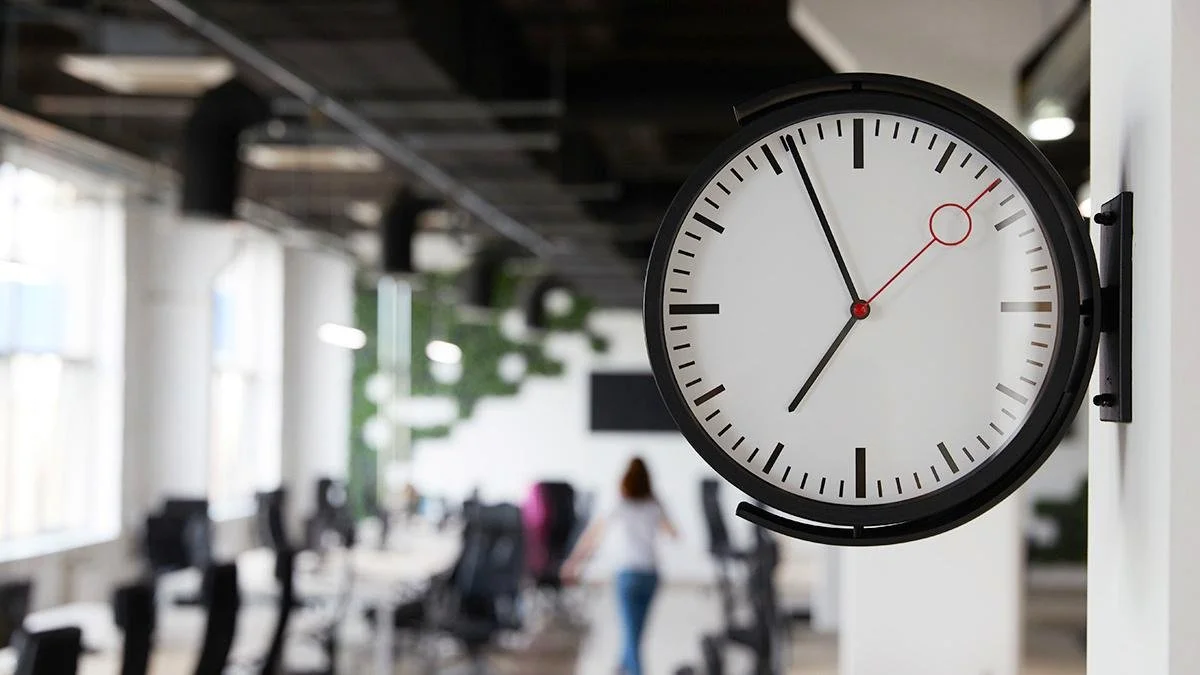
Jim's scenario isn't all that unique either. Since the 1990s, people have consistently been delaying retirement, despite rising household wealth and a decreasing poverty rate.
The culprit?
The one more year trap.
Delaying retirement is rarely due to financial concerns. It more so stems from the sense of structure and purpose that comes along with employment. And not to mention the fear of the unknown within retirement.
But Here's What Waiting Is Costing You
Yes, working longer has many perks, but time with your kids, grandkids, your healthy years -- all of those are on a timer.
The 7 Steps to Actually Making the Jump
1: Know Your Numbers
Build out a clear financial plan (or have one built for you) to make sure you have enough to retire AND how much you can pull out in retirement to both enjoy it and make sure that cash doesn't run too thin.
Make sure everything is accounted for, from your 401(k)s to your IRAs to personal investments and all the fun stuff in between. It is easy for things to slip through the cracks. So take some time to get all of your accounts in order and know the amount in all of them.
2: Activities in Lieu of Employment
The last thing I want new retirees to do once they clock out for the last time is sit on the couch, watch TV, and scroll reels. I urge every new retiree, and even those within retirement, to join some sort of community that meets regularly. This could be a sports or physical activity related club, a church group, or even community events. One of the nicest guys I ever met was a recent retiree that took up competitive powerlifting just to try something new and meet new people. And let me say I've never seen anyone with as good of squat form as him.
A study conducted by Transamerica states that 20-30% of retirees struggle with self-identity or purpose in retirement. And sitting at home will not fix that issue.
3: Make Friends!
Remember in kindergarten how all you had to do was walk up to another student and ask "want to be friends?" and BOOM, lifelong friend. If only it was that easy. Oh wait, it can be. We are naturally social beings and are called to gather together. Finding others in similar situations and simply asking to be friends works surprisingly well.
4: Don't Give Up a Routine
I believe the biggest reason people struggle so much in retirement is because they feel as if they have lost all sense of structure. Employment naturally comes with a set routine. Get up at 7, shower, get dressed, eat breakfast, commute to work -- you get the idea.
But who said retirement can't come with a routine, and a less draining one at that. Establish a daily routine of exercise, mental activities to stay sharp and continue learning, and volunteering or passion projects that can create a daily structure.
5: You Don't Have to Stop Cold Turkey
Before going from 40-hour work weeks all the way to zero in one day, consider slowly cutting hours by shifting to part time or even doing contracted work to phase out of employment without a full blown halt.
This doesn't even have to be about making a continued income. Pick that fun job that you always thought looked like so much fun when you saw it. Subbing at a school to keep that youthful energy alive, or maybe helping out at the local library. It doesn't have to be about pay, nor should that be your focus. Just something you can do part time that you enjoy and that still gives you a chance to transition from full time to part time to fully retired.
6: Stay Active
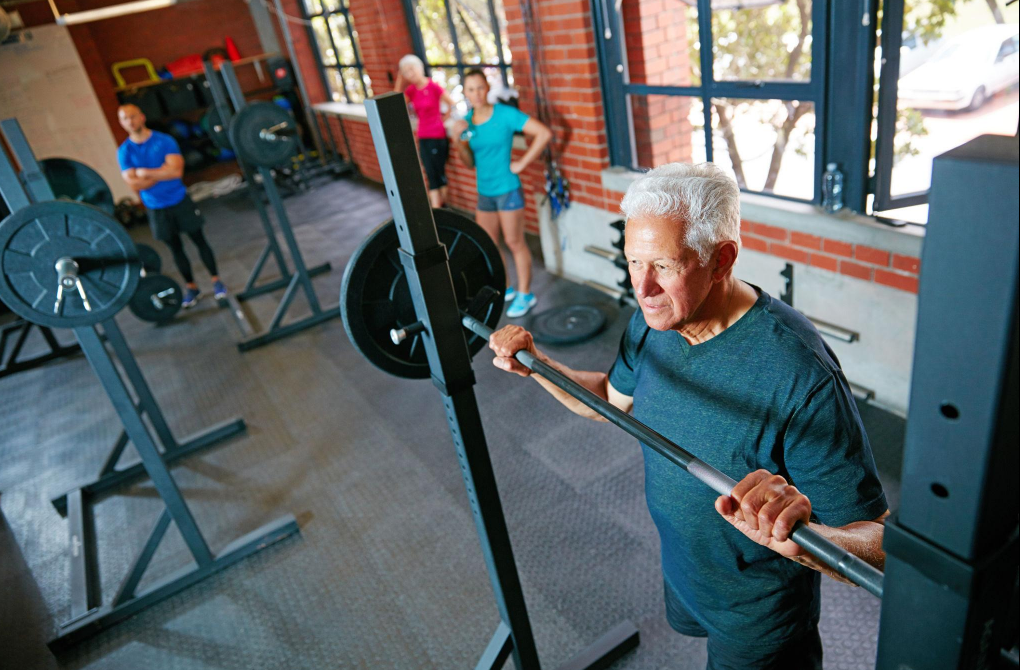
I hinted at this one earlier but it's because it is so, so, so important. The last thing I want to see you do in retirement is sit in your lazy boy and watch TV all day. Get active, go outside. Walk, ride a bike, join a gym. Having an active lifestyle has been linked to higher retirement satisfaction.
So get up and move your body!
7: Reassess Your Goals
Transitioning into retirement comes with new goals and a new lifestyle. Many choose to downsize to both ease financial pressure as well as the mental pressure of having fewer things to manage and worry about.
"You didn't work 40 years to sit around waiting for permission to enjoy it."
I hope that now you have a much clearer and more optimistic view on the transition into retirement, and hopefully feel excited about it -- because you should!
Thank you for reading today's article.

If you are new here, welcome! My name is Trey Cochran.
I am the founder of Cochran Wealth Management, a financial planning firm dedicated to helping individuals and families age 45 and older navigate the transition into and through retirement
This article is part of a personal challenge I've taken on this summer: writing and publishing one blog post every day for 100 consecutive days. My goal is to provide practical insights, educational content, and retirement planning perspectives that can help you make more informed financial decisions.
Whether this is the first article you've read or you've been following along since day one, I invite you to subscribe to our newsletter. Subscribers receive new articles, retirement planning insights, and updates delivered directly to their inbox.
Thank you for being part of the journey, and I look forward to seeing you in tomorrow's article.
Day 1 of 100
